Neural Mechanisms of Understudied Neurological Disorders
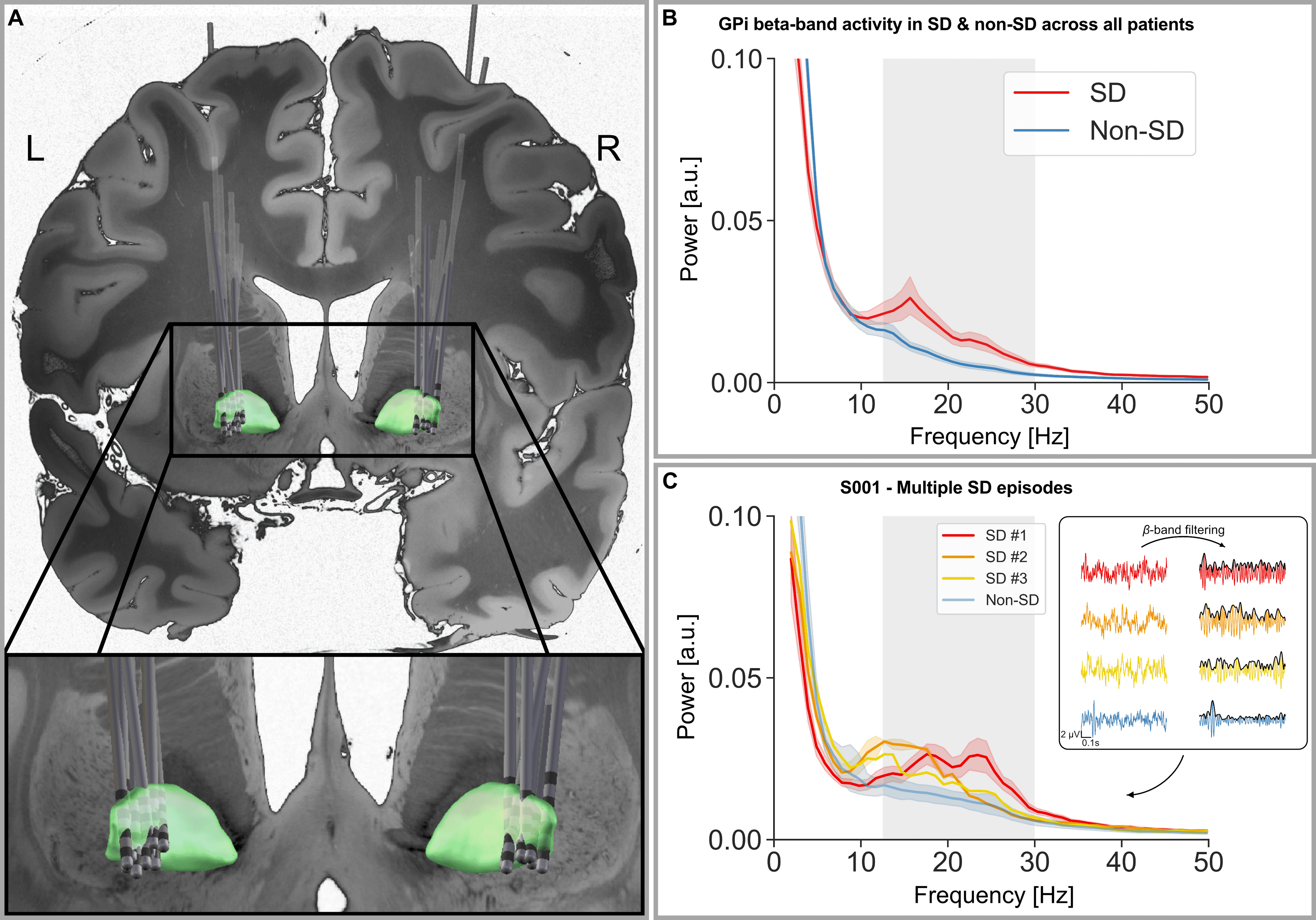
Using intracranial recordings to elucidate pathophysiologic biomarkers across gait dysfunction, sleep disorders, status dystonicus, pediatric dystonia, and related high-burden conditions.
Neurologist-Scientist in neuromodulation
Neurologist and aspiring clinician-scientist studying how neural signals can be used to build better, personalized brain stimulation therapies for neurological disorders.
My central focus: decode the neural activity underlying clinical states and use those biomarkers to drive adaptive brain stimulation that improves gait, sleep, severe movement symptoms, and neuropsychiatric dysfunction.
Neuromodulation
Deep Brain Stimulation
Brain-Computer Interfaces
Motor Neurophysiology
Movement Disorders
Computational Clinical Biomarkers
About
I am a neurologist specializing in movement disorders and a PhD candidate in neuromodulation under Drs. Alfonso Fasano and George Ibrahim, focused on leveraging intracranial electrophysiology and neural signal processing to advance neuromodulation interventions. The goal is to translate these biomarkers into actionable adaptive interventions that improve real clinical outcomes.

PhD, Clinician-Scientist Training Program • 2024–
Adult Neurology Residency • 2019–2024
Doctor of Medicine • 2015–2019

Movement Disorders Fellow • 2024–
Research
My research is organized around two translational questions. First, can we understand the neural activity underlying clinical states? Second, how can we convert intracranial neural signals into actionable biomarkers that guide personalized neuromodulation treatment? These themes focus on: understanding neural mechanisms in understudied disorders such as freezing of gait and status dystonicus; building biomarker-guided adaptive interventions for gait and sleep disorders; and developing translational neurotechnology that integrates neural recordings biometric data, and machine learning for real-world diagnosis, monitoring, and treatment optimization.
Click each theme to view a representative publication.
Using intracranial recordings to elucidate pathophysiologic biomarkers across gait dysfunction, sleep disorders, status dystonicus, pediatric dystonia, and related high-burden conditions.
Decoding clinical-state neural activity to build personalized, adaptive brain stimulation strategies for movement and neuropsychiatric disorders.
Integrating neural recordings, wearables, biometric data and machine learning to produce deployable tools for diagnosis, monitoring, and treatment optimization in real-world neurology care.
Projects
TORONTO WESTERN HOSPITAL
Co-Primary Investigator on a Michael J. Fox Foundation-funded study developing an electrocorticography-based brain-machine interface and adaptive cortical neuromodulation strategies for freezing of gait in Parkinson's disease, with the goal of enabling personalized symptom-responsive therapy.
THE HOSPITAL FOR SICK CHILDREN
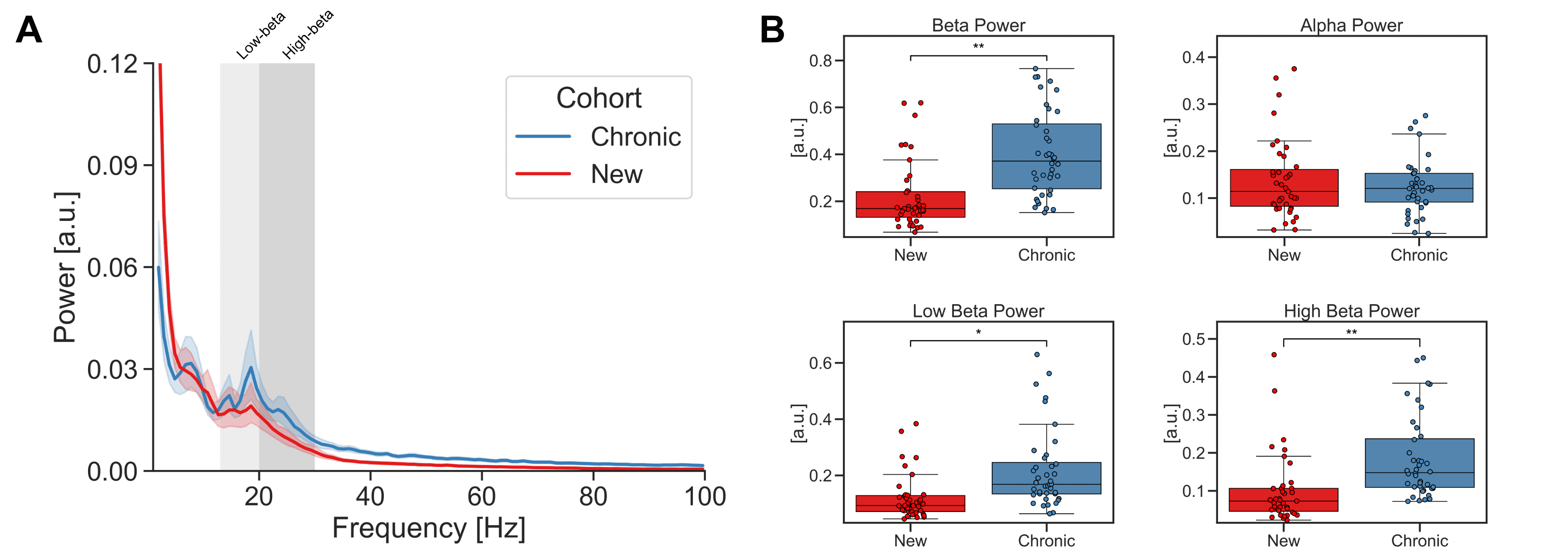
Analyzing longitudinal multi-year pallidal DBS recordings in pediatric status dystonicus and generalized dystonia to identify biomarkers linked to clinical severity, including excessive beta-band activity and functional connectivity signatures, to improve biomarker-guided diagnosis, monitoring, and treatment targeting.
TORONTO WESTERN HOSPITAL
Built machine-learning pipelines to detect sleep states using deep brain stimulation recordings in movement disorders, supporting closed-loop therapeutic development and objective sleep-state monitoring in clinical care.
THE HOSPITAL FOR SICK CHILDREN
Analyzed multicenter CHILD-DBS registry data to quantify surgical complications and safety outcomes across pediatric DBS targets and indications to guide evidence-based care in children.
SUNNYBROOK HEALTH SCIENCES CENTRE
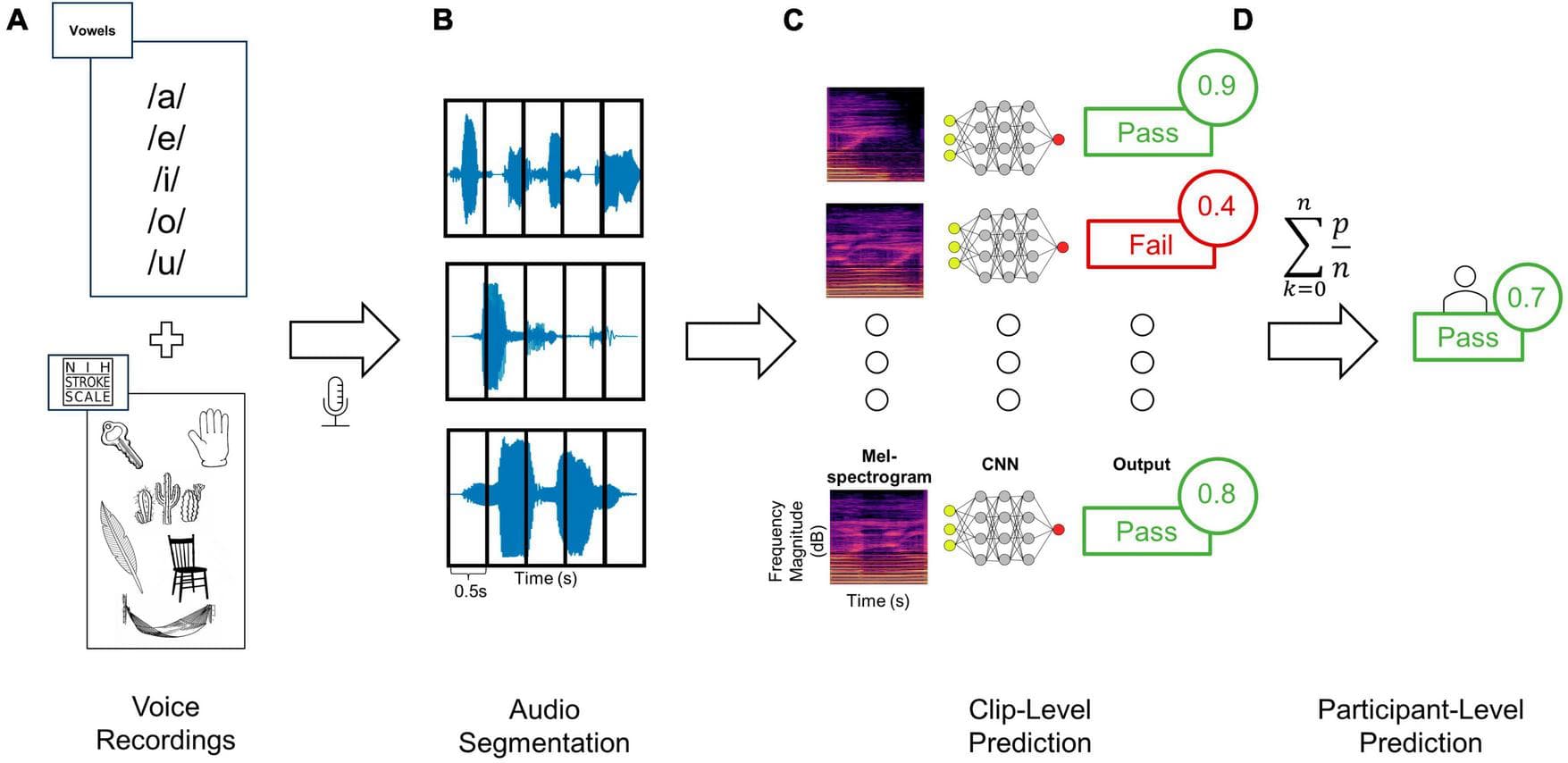
Worked with the Stroke Innovation (& Machine learning) Lab [SiLab] as co-Investigator on a Sunnybrook innovation grant applying clinical ML tools to improve post-stroke dysphagia screening in real-world care settings, employing neural networks trained using voice audio recordings alone to support scalable non-invasive screening pathways.
TORONTO WESTERN HOSPITAL
Developed computational approaches using smartphone accelerometry to classify tremor syndromes and support the development of automated tools for earlier diagnosis.
Publications
Nature Reviews Bioengineering · 2026
Balachandar A, Sorrento G, Moraud E, Bonizzato M, Fasano A.
Movement Disorders · 2026
Balachandar A, Boogers A, Naghdlou S, Lozano A, Kalia S, Tinkhauser G, Fasano A.
Nature Communications · 2025
Balachandar A, Vogt L, Mithani K, Coleman S, Ebden M, Fasano A, Gorodestky C, Ibrahim G.
CV
Recent Highlights
Selected recent grants and honors. Full details are available in the downloadable CV.